Posts
Journal papers and ideas I find interesting, explained for occupational hygienists. All credit to the original authors referenced within — I encourage you to read the source work.

A short self-reflection on the first 12 months of doing my PhD.
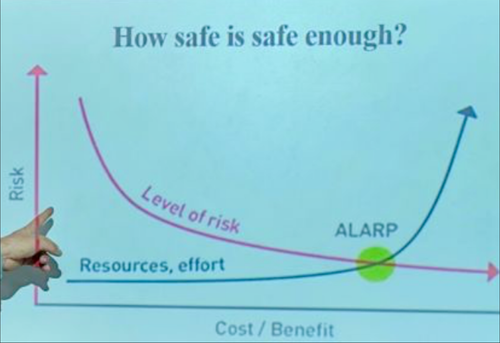
Sometimes a chart is so messed up it’s almost beautiful.
An overview of priors in Bayesian data analysis, including a tool for exploring informative priors.
An introduction to hierarchical modelling, and the benefits of partial pooling over assessing data SEG-by-SEG.
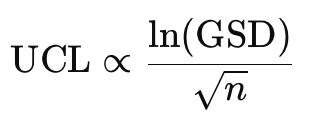
How the 95% UCL is driven by sample size and exposure variability.
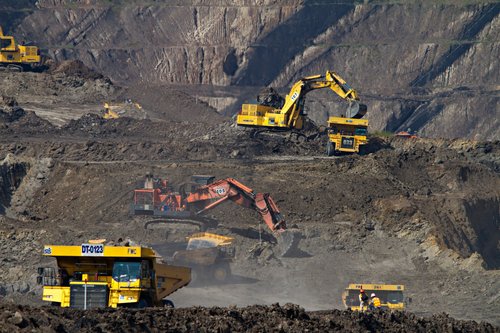
A SEG’s arithmetic mean also tells you the maximum possible exceedance fraction. A little maths explains why.
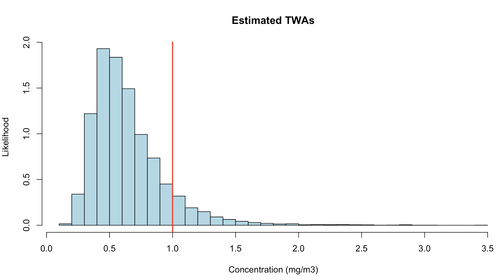
Including the variability of each task-based sample gives far more information about the possible TWAs.
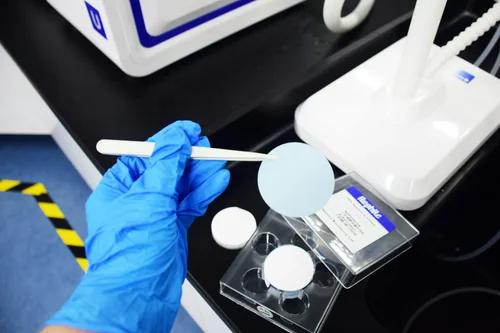
Quantifying gravimetric analysis uncertainty under ISO 15767 and limits of detection.
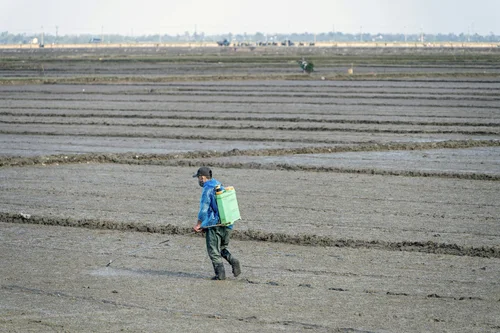
How exposure standards are written in legislation, and the questions raised by the new workplace exposure limits.
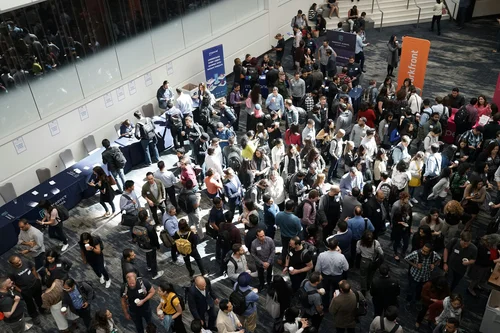
A short, personal reflection on the AIOH ’24 conference in Perth.
A basic overview of the statistics used in IHstats — less on calculation, more on the intuition of what they mean.
Clarifying common misconceptions about confidence intervals, and why Land’s exact approximation may be unreliable.
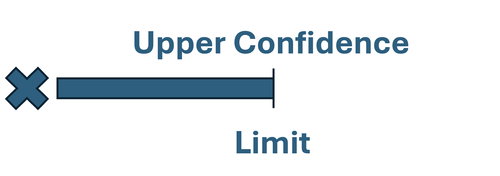
An explanation of upper confidence limits of the arithmetic mean.
Exactly what an MVUE is, and how it compares to other ways of estimating the mean of lognormal data.

Our systems and tools do exactly what they were designed to do — which isn’t always what the user intended.
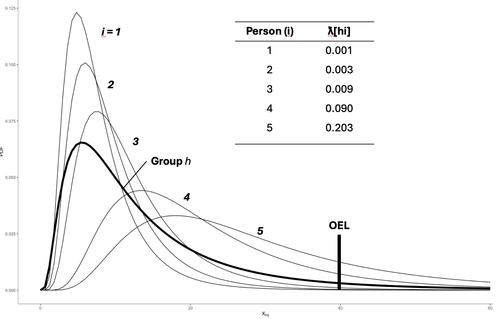
A review of Rappaport & Kupper’s hygiene-centric statistics textbook — challenging, but a genuinely interesting read.
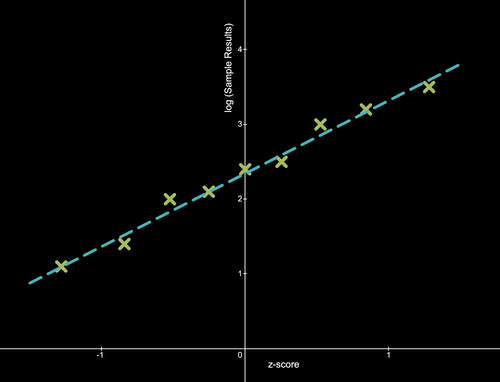
A deeper look at how QQ plots are made, so you can get the most from them when checking your data’s distribution.
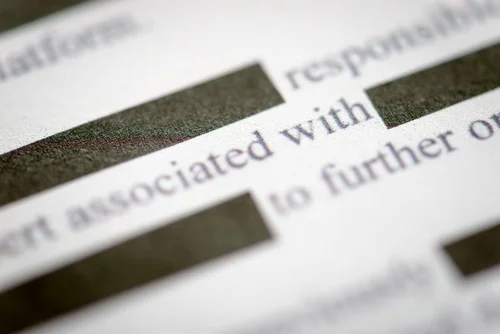
There’s no consensus yet on treating censored data, but one thing is clear: substitution is fabrication.

The algorithm that explores the parameter space of Bayesian calculations — the engine behind otherwise impossible solutions.
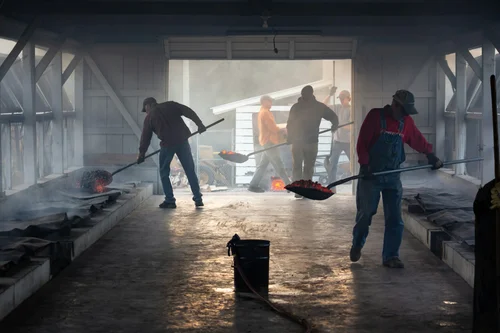
On the idealistic principles of occupational hygiene in tension with the priorities of business.
Estimating exposures without sampling — user-friendly modelling tools for preliminary assessment, with a note of caution.
A feel for how Bayes’ theorem works, and why you should be using it in occupational hygiene.
A reflection on my experience at the 2023 AIOH conference.
What protections should be in place for the misuse of information collected during real-time monitoring exposure assessments?
A more robust rule of thumb that allows you to compare the largest value with the OEL to determine compliance with high levels of certainty.
How openly should we share the information we collect in exposure assessments? Are there limits? And what metrics should we use to tailor the communicated information to achieve the best outcome?
The OSHA silica table has been practically replicated in Queensland, Australia. Unfortunately, following the control requirements does not guarantee effective management of exposures.
Ethics of Real-Time Monitoring
What protections should be in place for the misuse of information collected during real-time monitoring exposure assessments?